
The Thrill of Uncertainty
Casino gaming is an enticing blend of chance and strategy, capturing the attention of millions around the globe. At its core, the thrill stems from uncertainty—the unpredictable nature of outcomes. This unpredictability evokes a psychological response, as players experience adrenaline rushes akin to those felt in extreme sports. The brain releases dopamine, a neurotransmitter that heightens excitement and reinforces behavior that leads to rewards, effectively making the act of gambling a captivating experience. For those interested, engaging in no kyc casinos can provide various options for exploration.
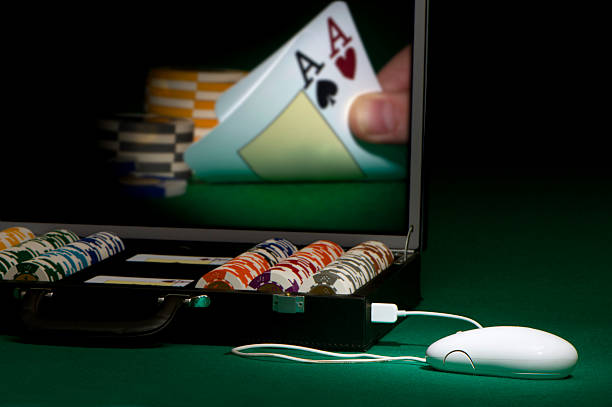
This thrill-seeking behavior can often overshadow the logical assessment of risks. Players may understand that the odds are against them, yet the allure of winning and the euphoric feelings associated with potential success can override rational thinking. Consequently, individuals are drawn to casinos, where the environment blares with visual and auditory stimuli designed to amplify this sense of anticipation and excitement.
The Role of Cognitive Biases
Cognitive biases play a significant role in how individuals approach gambling. Players often overestimate their chances of winning due to biases such as the gambler’s fallacy, where one believes that past events influence future outcomes. For instance, a player might believe that after a series of losses, a win is “due,” reinforcing the urge to continue playing despite mounting losses.
This distorted perception of probability fuels the desire to take risks, as individuals cling to the hope of a significant win that can justify their continued betting. Moreover, confirmation bias leads gamblers to focus on winning moments while ignoring losses, further entrenching them in a cycle of risk-taking behavior that can be difficult to break.
The Social Aspect of Gambling
The social elements inherent in casino gaming cannot be overlooked. Many people view casinos as a social venue, providing opportunities for interaction and shared experiences. This communal atmosphere encourages individuals to take risks they might not consider when alone. The presence of others can create a sense of validation, where the excitement of winning is amplified by shared jubilation, while losses can be mitigated by camaraderie.
Additionally, social pressure can influence risk-taking behavior. Friends or acquaintances may encourage each other to bet more than they originally planned, reinforcing the excitement and challenging each other to take greater risks. This dynamic can create a sense of belonging and acceptance, making the risks feel more acceptable within the context of social interaction.
The Psychological Impacts of Winning and Losing
The psychological impact of winning can be profound, leading to increased self-esteem and a sense of achievement. Winning, particularly in a gambling context, can create a powerful feedback loop, encouraging continued play. The exhilaration felt after a win can lead gamblers to chase that high, often leading to more significant risks in hopes of replicating the experience.
Conversely, the psychological toll of losing can be equally impactful. Losses can evoke feelings of frustration, disappointment, and even despair, prompting some individuals to increase their risk-taking in an effort to recover their losses. This behavior, often referred to as “chasing losses,” can lead to a damaging cycle where the desire to overcome setbacks results in even greater financial and emotional risks.

Balancing Risk and Responsibility in Casino Gaming
As casino gaming continues to thrive as a popular form of entertainment, understanding the underlying psychology is crucial for responsible participation. Players must be aware of their motivations and the psychological factors at play when engaging in gambling activities. Recognizing the allure of risk and the potential for harmful consequences is a key aspect of fostering a healthy relationship with gaming.
Resources, such as those provided by websites like SafeguardCyber.com, aim to educate players on maintaining a safe online presence. By balancing security with accessibility, users can enjoy the thrill of gaming while remaining mindful of their behaviors and decisions. Ultimately, promoting awareness and responsibility can enrich the gaming experience, allowing individuals to enjoy the excitement without compromising their well-being.